EDITORIAL NOTES / YISHU

Field notes

These notes follow Yishu’s own experiences: uncertainties in the classroom, changes within a project, and questions we are still learning to ask.

Some began in class; others only after class ended. Together they form a longer observation of education and personal growth.

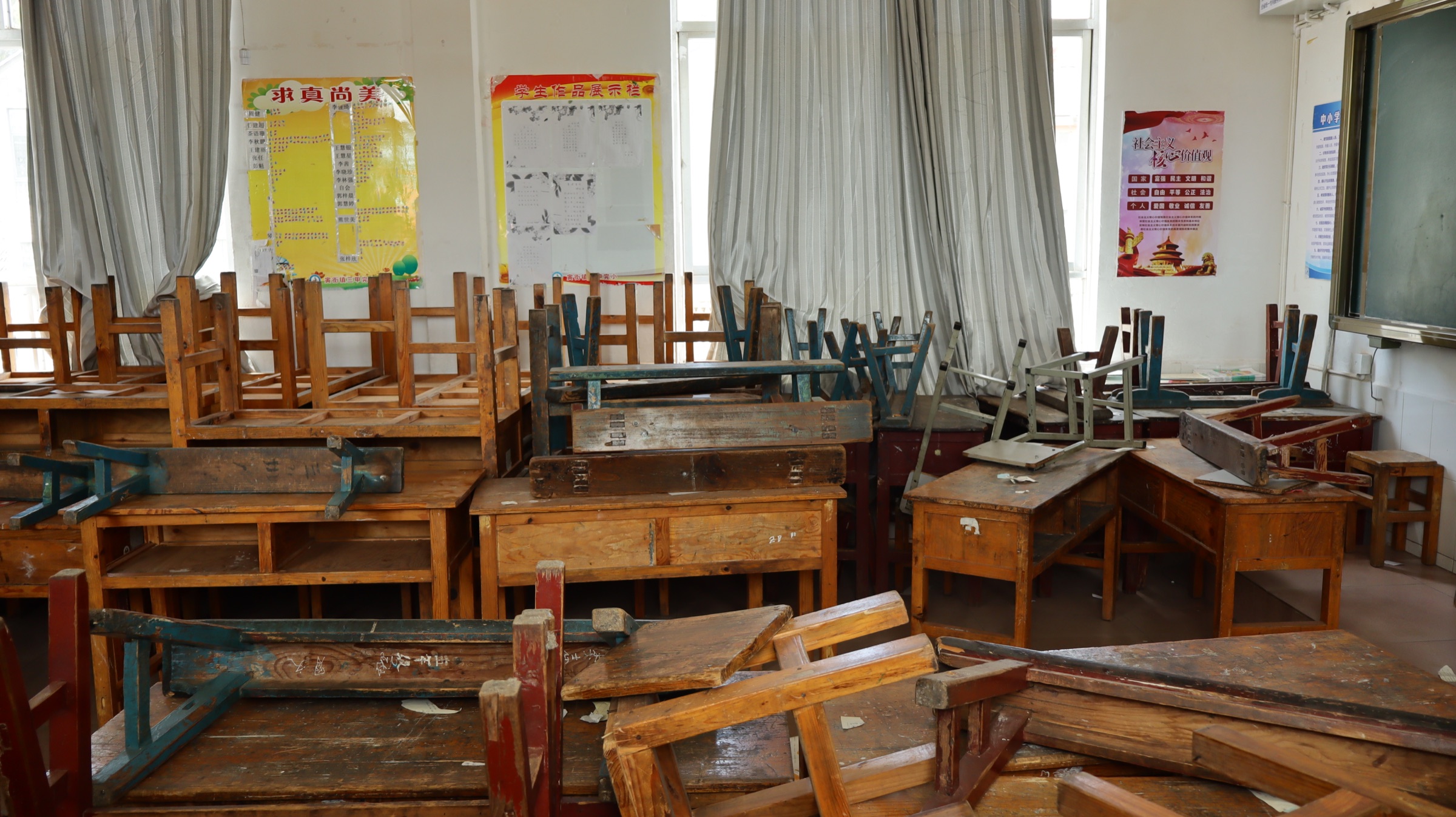
Desks stacked in a classroom
FIELD IMAGE 005A classroom being rearranged
NOTE 001

Why write our experiences down?

Editorial note / A way of recording
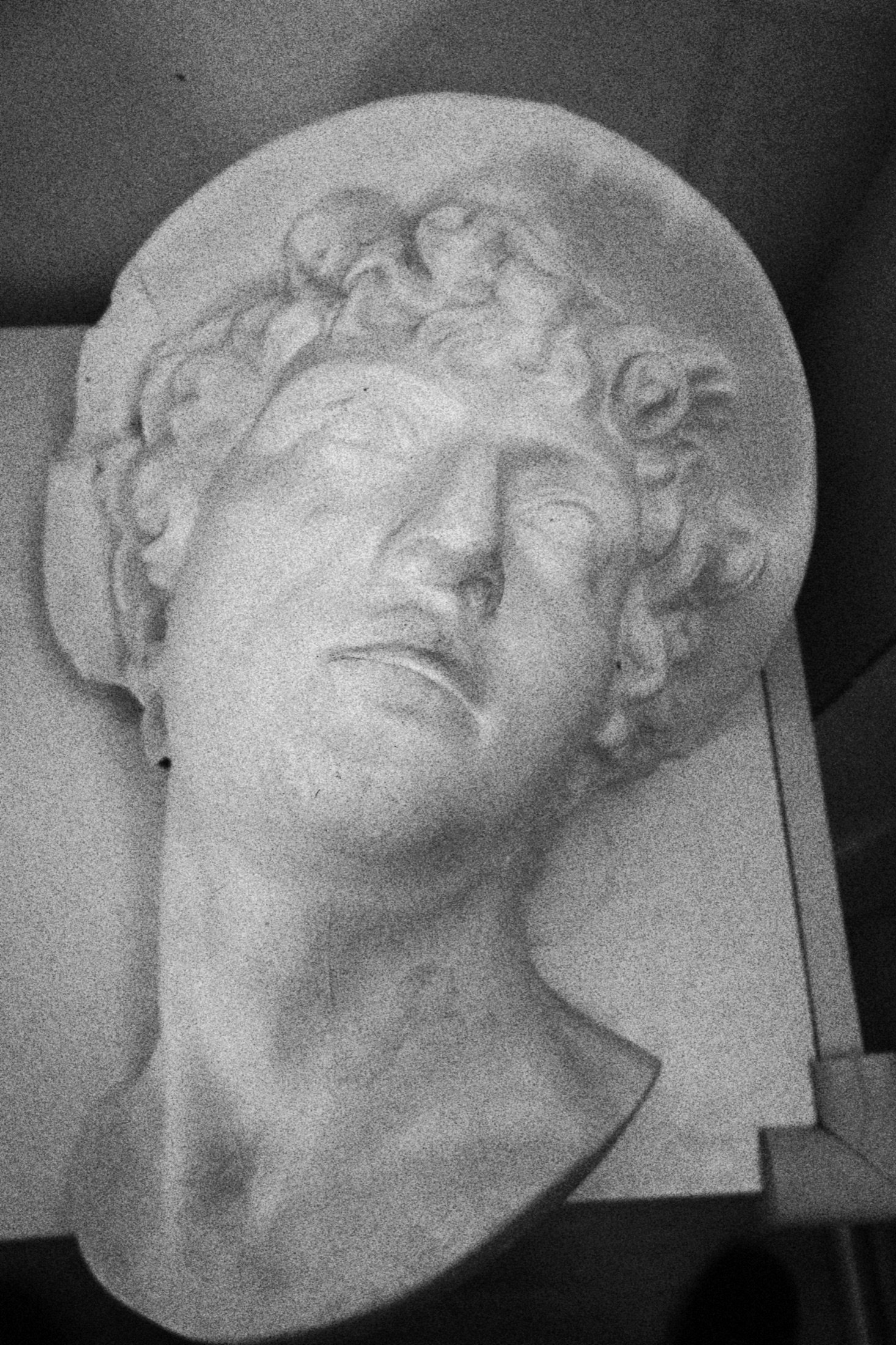
Plaster bust in a room of light and shadow
NOTE 001 / IMAGEOn looking, remembering, and understanding again

Social value is difficult to measure with numbers alone.

In 2025, China's central government allocated 177 billion yuan in subsidies for rural revitalization, while public budget spending on education nationwide reached 4.34 trillion yuan. The Special Posts Plan also intended to recruit 20,976 teachers for rural schools, prioritizing areas and subjects with greater needs.

These figures sketch a broad picture of education and rural development. They cannot tell us how a class begins, why a question goes unanswered, or how an encounter changes the people in it.

People and the stories of what actually happened often bring education into focus. We built this platform so hesitations, conflicts, disappointments, and moving moments need not simply disappear with time.
FIELD 002

Keep observing beyond the classroom

Field note / An unfinished observation

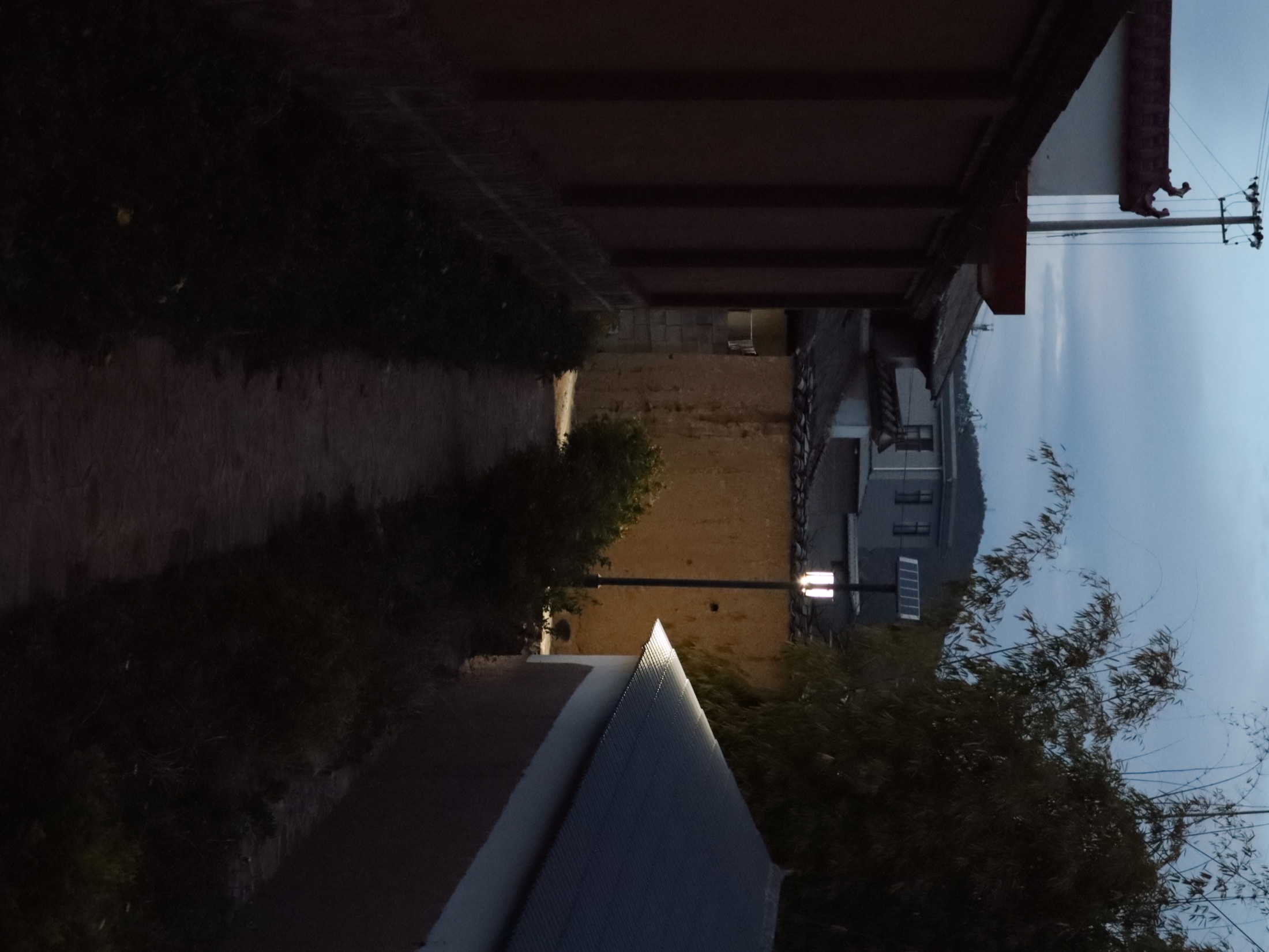
Country road and a streetlight at dusk
FIELD 002 / IMAGEObservation continues after class

Yishu has long developed its “Mobile Youth Center” project, bringing young people into rural communities to lead creative and exploratory classes.

A week is a measure of time, yet it can hold feelings that last much longer. Memory cannot carry every passing thought: unanswered classroom questions, subtle distances between people, and things understood only after leaving.

Writing is not only for other readers. It gives us another chance to observe. A record brings us back to the setting and helps us examine our enthusiasm, judgments, and limits. Moments that seem to have passed can still shape how we grow.

PROJECT 003

How an education project slowly takes shape

Project archive / Process and revision

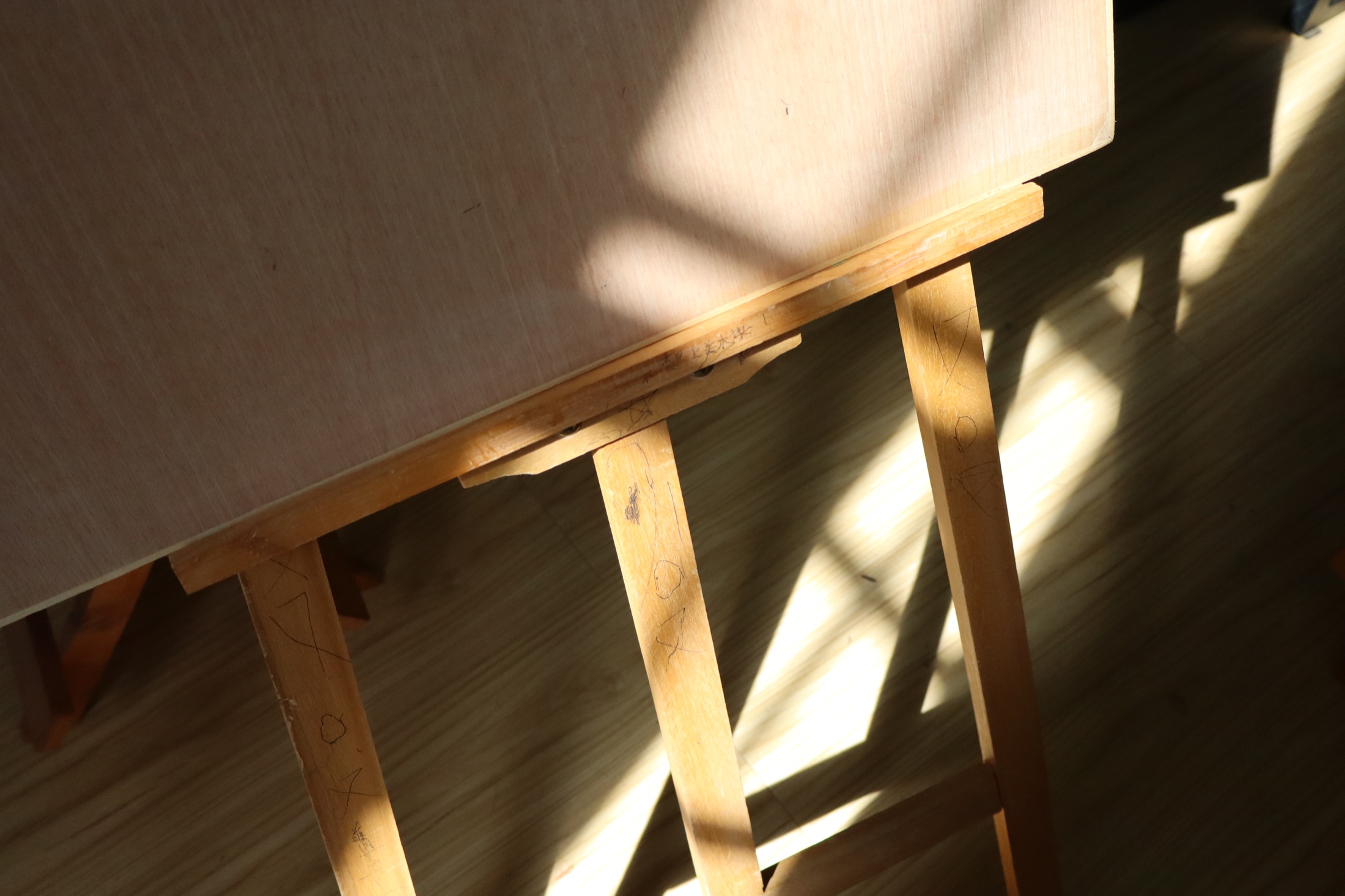
Sunlight across used wooden desks
PROJECT 003 / IMAGEA course takes shape between people, beyond its lesson plan

In earlier Yishu projects, we offered fewer traditional sequences in language, mathematics, or English. Classes in drawing, music, making, and discussion often had more room for creativity, expression, and exchange.

A class cannot, and perhaps should not, be entirely decided by a lesson plan written in advance.

A plan offers a beginning. The direction of a class often emerges in its responses: the questions students ask, a sudden silence, a design that does not work, or an unexpected idea that opens a new path.

An education project is therefore not designed in one moment. It forms through interaction, then slowly finds its shape through observation, adjustment, and reflection.

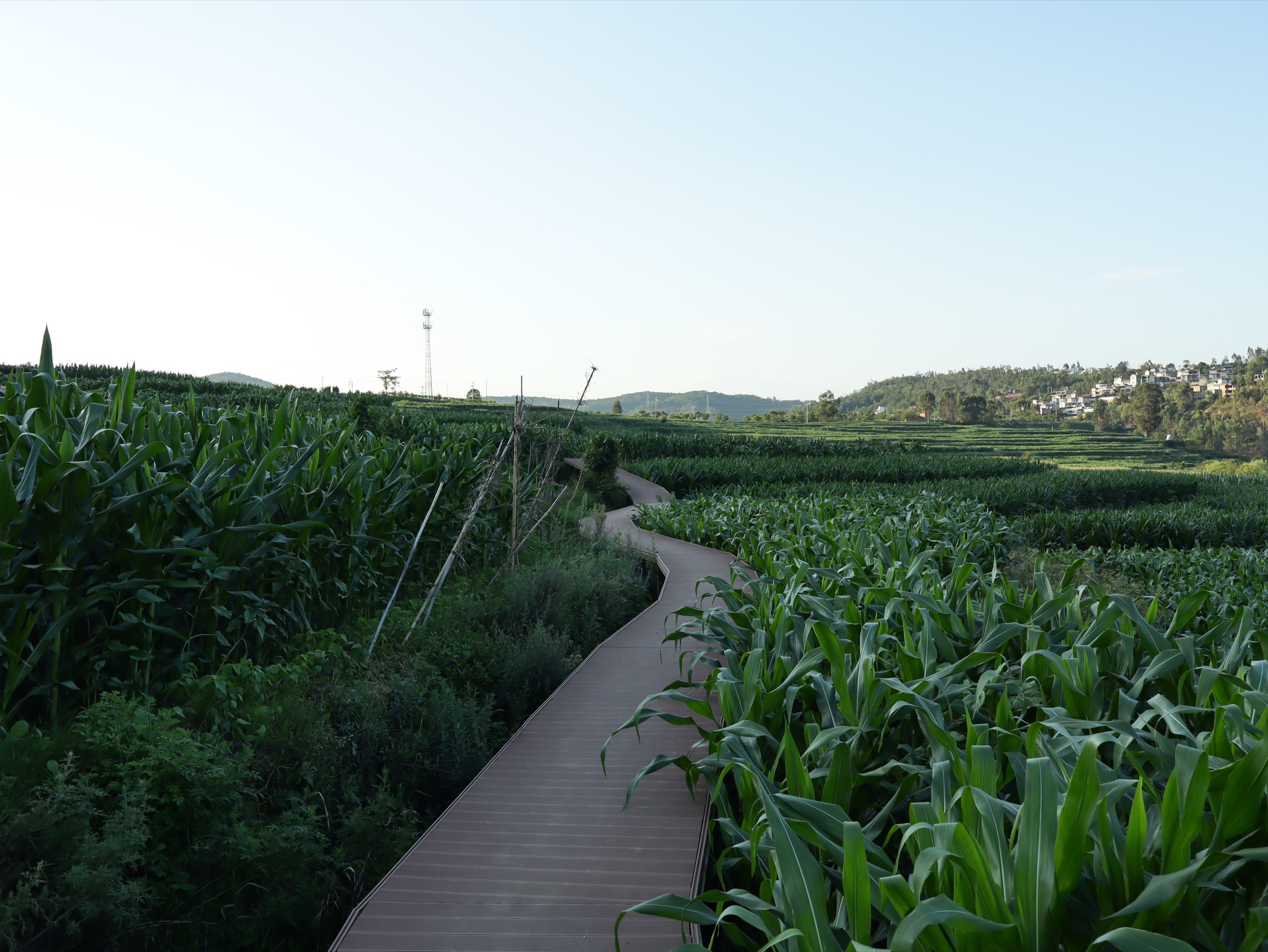
A path through green fields
FIELD IMAGE 006 / A path through the fields

Photographs also preserve distance, light, and silence.

The full photo sequence lives in Field Images. We use images of people only after confirming permission for public display. Images of the environment help us describe spaces beyond the classroom.

Explore the visual archive